Blog
5 Common Gastrointestinal Diseases Among Bengalis in India
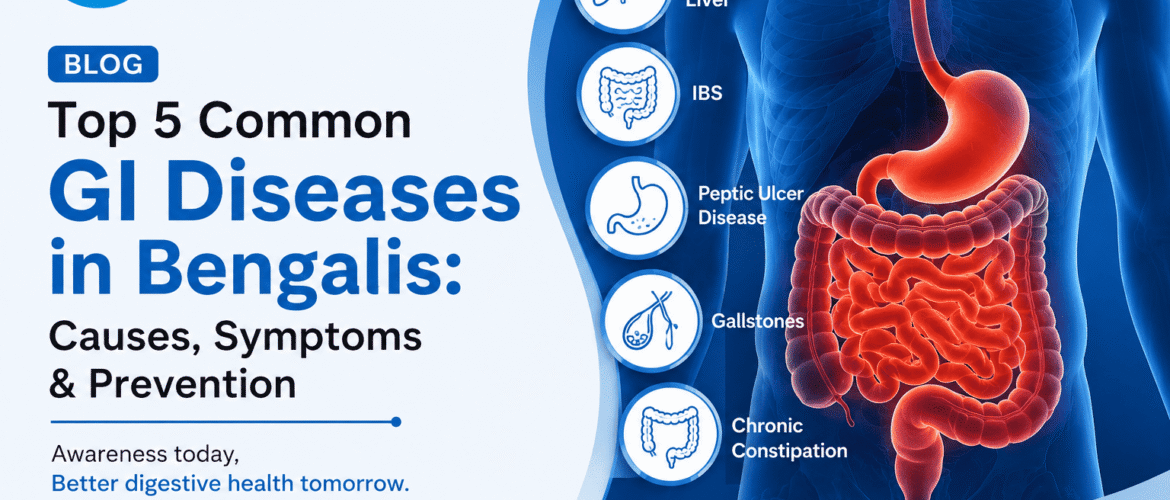
We have observed that gastrointestinal (GI) diseases are especially prevalent in regions like West Bengal, owing to a mix of dietary habits, genetics, lifestyle, and environmental factors. Among Bengalis, certain GI conditions tend to be more commonly seen in both urban and rural populations. Highlighting these diseases can help promote early detection and prevention.
1. Metabolic dysfunction-Associated Steatotic Liver Disease (MASLD)
MASLD is increasingly common in Bengali populations, largely due to a shift towards high-calorie diets rich in oil, sugar, and refined carbohydrates, along with sedentary lifestyles. It is the buildup of fat in the liver not caused by alcohol. While early stages may have no symptoms, over time it can progress to liver inflammation (NASH), fibrosis, and even cirrhosis. Early diagnosis through liver function tests and ultrasound is crucial.
2. Irritable Bowel Syndrome (IBS)
IBS is a functional bowel disorder characterized by abdominal pain, bloating, and altered bowel habits (either constipation, diarrhea, or both). Bengali diets that are high in spices, fried foods, and irregular meal timings may trigger IBS symptoms. Stress and anxiety, also common in urban life, often exacerbate the condition. Though not life-threatening, IBS can significantly affect quality of life.
3. Peptic Ulcer Disease
With a high prevalence of Helicobacter pylori infection and widespread NSAID use, peptic ulcers—sores in the lining of the stomach or duodenum—are frequently diagnosed. Symptoms include burning abdominal pain, nausea, and sometimes vomiting blood or passing black stools. Bengali dietary patterns, including strong tea, spicy food, and irregular eating habits, may contribute to this condition.
4. Gallstones (Cholelithiasis)
Gallstones are quite common among Bengali women, especially those who are middle-aged, overweight, or have had multiple pregnancies. A typical Bengali diet, rich in fats and refined carbs, increases the risk of gallstone formation. Gallstones can lead to pain, indigestion, and complications like gallbladder infection or pancreatitis. Diagnosis is usually done with abdominal ultrasound.
5. Chronic Constipation
Chronic constipation is another frequently reported issue, especially among the elderly Bengali population. Low dietary fiber intake, insufficient hydration, and lack of physical activity all contribute to this problem. In some cases, it may also indicate underlying conditions like hypothyroidism or colorectal disease, and should not be ignored if persistent.
These gastrointestinal conditions are commonly seen in clinical practice among Bengalis, yet many are preventable or manageable with lifestyle changes and early medical intervention. Raising awareness about these issues is the first step towards better digestive health.
If you or your family members experience persistent GI symptoms, it’s important to consult a doctor and not rely on over-the-counter remedies or home treatments.